A sadaqah jariyah water well on LaunchGood typically costs $200 to $8,000, depending on well type, drilling depth, and location. Based on an April 2026 analysis of 107 active LaunchGood water campaigns, hand pump wells range from $200 to $400 in South Asia and most of Africa; solar-powered wells cost $1,200 to $3,500; and deep boreholes cost $1,000 to $3,400.
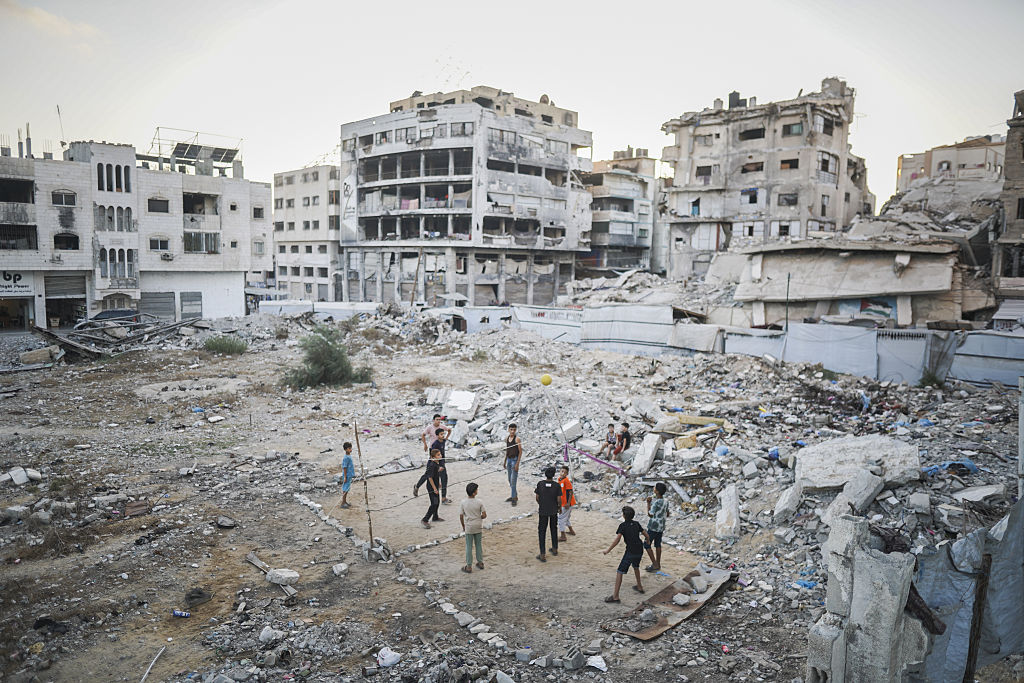
Conflict zones carry a significant premium — a hand pump that costs $209 on average in Pakistan can reach $1,028 in Sudan and $1,623 in Syria.
LaunchGood's 0% platform fees mean 100% of your donation reaches the well builder.
Quick comparison: Water well type and cost
Hand pump
Cost: $200-$400
People served: 200-400
Solar well
Cost: $1,200-$3,500
People served: 500-800
Deep borehole
Cost: $1,000-$3,400
People served: 1,500-3,000
LaunchGood charges 0% platform fees — 100% of your donation reaches the project.
Water pump donation options
When people say "water pump donation," they typically mean one of three types:
Hand pump (manual): $200-$400
No electricity needed
Community members pump water manually
Best for: Villages with shallow water tables (30-50 feet)
Serves: 200-400 people
Solar pump (automated): $1,200-$3,500
Powered by solar panels
No fuel costs, no grid dependency
Best for: Schools, clinics, larger villages
Serves: 500-800 people
Submersible pump (deep borehole): $1,000-$3,400
Reaches deep aquifers (150-300+ feet)
Transformative infrastructure for entire community
Best for: Arid regions, hard geology
Serves: 1,500-3,000 people
LaunchGood offers all three types across 21 countries.
Why does location affect the cost?
Five factors explain why the same "well" can cost five or seven times more depending on location:
Drilling depth. Shallow water tables (30 to 50 feet, as in rural Pakistan and Bangladesh) suit hand pumps at $200 to $400. Deep tables (150+ feet, as across Yemen and the Sahel) require boreholes at $1,000 to $3,400.
Geology and terrain. Sandy soils drill fast and cheap. Rocky terrain and hard bedrock — common in mountainous Pakistan and Yemen — require specialized equipment and raise labor costs.
Conflict zones. A $200 Pakistan hand pump costs $1,623 for the identical installation in Syria, driven by armed convoys, hazard pay, and limited contractor availability. Sudan's $1,028 average reflects the same security premium.
Remote access. Poor roads add transport costs; island communities like parts of Zanzibar carry moderate boat-transport premiums.Country labor rates. Somalia and Niger are lower-cost; Pakistan and Bangladesh moderate; conflict zones include hazard pay that can double or triple base rates.
A water well donation generally covers the end-to-end build: site survey and geological assessment, drilling equipment and labor, pump installation (hand, solar, or submersible), piping, well casing and protective structure, water quality testing, community training on maintenance, and a completion report with GPS coordinates and photos.
What is not typically included is long-term maintenance beyond initial training — most partners fund this separately through community contributions or dedicated maintenance programs.
LaunchGood charges 0% platform fees. 100% of your donation funds the items above, with the platform funded by optional donor tips.
How much impact does each dollar provide?
Water wells are among the most cost-effective interventions in global public health:
1. A $300 hand pump serving 300 people for 20 years: ~$0.05 per person per year. 2. A $1,200 solar pump serving 700 people for 25 years: ~$0.07 per person per year. 3. A $5,000 borehole serving 2,000 people for 35 years: ~$0.07 per person per year.
For comparison, bottled water costs roughly $100 per person per year in regions without clean water access. A $300 hand pump delivers the same person 20 years of clean water for five cents a year — a roughly 2,000× more cost-effective intervention.
Which well type should I donate to?
$200 to $500 — Hand pump well. The most accessible entry point. Still provides clean water to hundreds of people for 15 to 25 years. Pakistan and Bangladesh campaigns regularly offer wells in this range.
$500 to $2,000 — Solar-powered well. Higher upfront cost but serves 500 to 800 people for 20 to 30 years — often the best people-served-per-dollar over the well's lifetime.
$2,000+ — Deep borehole. Transformative for an entire community: 1,500 to 3,000 people for 30 to 40 years.
Can't afford a full well? More than 40% of LaunchGood campaigns offer $10 to $50 partial contribution tiers. Ten donors giving $25 each add up to a $250 hand pump, and each donor shares in the ongoing sadaqah jariyah reward.
Browse water well projects by price on LaunchGood(https://www.launchgood.com).
Frequently asked questions
Are there hidden fees?
No. LaunchGood charges 0% platform fees. 100% of your donation goes to the water well — drilling, installation, and commissioning. LaunchGood is funded by optional donor tips, which you can choose to add or skip. This differs from traditional charities that typically allocate 10% to 20% of donations to administrative overhead.
Can I use zakat to pay for a water well?
Water wells can be zakat-eligible when the well is given to eligible poor beneficiaries who become owners of the benefit, according to Hanafi fiqh rulings (SeekersGuidance, MuftiOnline). Many LaunchGood campaigns are explicitly marked "Zakat Eligible" or "Zakat Verified" by the organizing charity. Check each campaign's badge to confirm zakat eligibility, and consult your local scholar if unsure.
What if I can only afford $50?
You can contribute to group campaigns where multiple donors pool funds to build a well together. LaunchGood campaigns often have $10 to $50 partial contribution tiers — your $50 combined with other donors' $50 adds up to a full well. Every contribution counts toward sadaqah jariyah; you receive ongoing reward even when you fund only a share.
Passionate about all things marketing.