Quick answer: Zakat is an obligatory annual payment of 2.5% of your zakatable wealth, owed only once you meet specific conditions (Nisab and Hawl). Sadaqah is voluntary charity of any amount, given whenever you choose. Sadaqah jariyah is a specific type of sadaqah that keeps generating benefit and reward over time, like a water well or a mosque, rather than a one-time act like giving cash.
What is Zakat?
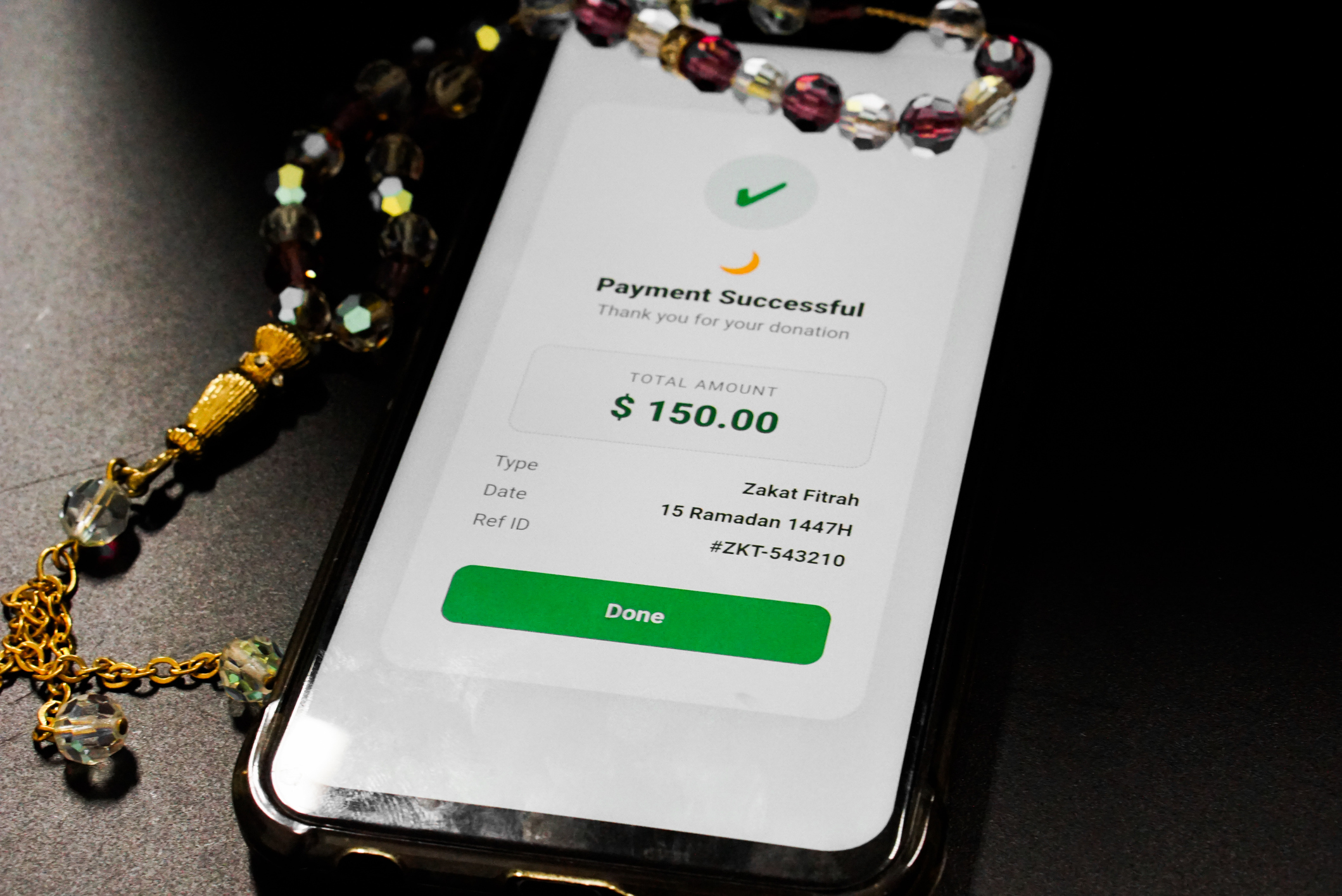
Zakat is one of the five pillars of Islam and a religious obligation, not a choice. It's due once your zakatable wealth (cash, gold, investments, and similar assets) has stayed at or above the Nisab threshold for a full Hijri year. The rate is fixed at 2.5% of what you own after deducting what you owe. For the full calculation walkthrough, see our guide on how to calculate Zakat.
What is sadaqah?
Sadaqah is voluntary charity. There's no fixed amount, no wealth threshold, and no yearly obligation; it's simply an act of giving out of compassion or generosity, whenever you choose to give it. Sadaqah becomes the recipient's property immediately and is typically a one-time act: giving food, money, or clothing directly to someone in need. Its impact and reward are tied to that single act.
What is sadaqah jariyah?
Sadaqah jariyah, or "ongoing charity," is a specific category of Sadaqah that keeps benefiting others over an extended period, rather than being used up in one go. The word "jariyah" comes from an Arabic root meaning "flowing" or "running," reflecting how the benefit keeps moving forward in time.
Unlike regular sadaqah, sadaqah jariyah remains in a state of endowment (waqf) rather than becoming any one person's property, and it keeps generating reward for the donor for as long as it continues to help people, even after the donor has passed away.
Sadaqah vs. sadaqah jariyah: the key differences
- Definition: Sadaqah is general voluntary charity, usually a one-time act. Sadaqah Jariyah is ongoing charity with continuous benefit.
- Duration of impact: Sadaqah benefits the recipient immediately and briefly. Sadaqah Jariyah benefits people over an extended period, sometimes generations.
- Ownership: Sadaqah transfers ownership directly to the recipient. Sadaqah Jariyah stays in a state of endowment (waqf) rather than becoming individual property.
- Typical examples: Sadaqah looks like giving food, money, or clothing. Sadaqah Jariyah looks like building a well, mosque, or school, or planting a tree.
- Reward duration: Sadaqah's reward is tied to the immediate act. Sadaqah Jariyah's reward continues as long as the charity keeps benefiting others, including after the donor's death.
This is grounded directly in a hadith of the Prophet Muhammad ﷺ: "When a person dies, all their deeds come to an end except for three: ongoing charity (sadaqah jariyah), beneficial knowledge, and a righteous child who prays for them" (Sahih Muslim). The Quran describes charity's multiplying impact similarly, comparing it to a grain that grows into seven ears, each holding a hundred grains (Surah Al-Baqarah, 2:261).
Is this project sadaqah jariyah? A quick checklist
Not every good cause qualifies as Sadaqah Jariyah. Here's what to look for:
- Long-term benefit — does it serve people over an extended period? (Example: a school, mosque, or well that serves people for years or generations.)
- Sustainable impact — does it address a real need in a way that promotes lasting welfare? (Example: clean water, healthcare, or education that builds self-sufficiency.)
- Continuous reward — will you keep earning reward as long as the project keeps helping others, even after you pass away? (Example: a planted tree or shared knowledge that people continue to benefit from.)
- Non-consumable nature — does the charity remain intact rather than getting used up? (Example: books, infrastructure, or a scholarship fund, rather than a one-time food donation.)
- Halal and ethical — is it funded and structured in line with Islamic principles?
- Inclusive of beneficiaries — does it benefit a wide range of people, potentially including future generations, animals, or the environment? (Example: a water source in a forest that helps both people and wildlife.)
Examples of sadaqah jariyah you can give today
- Water wells — clean water access for underserved communities; one of the most cited examples, since every use of the water continues to generate reward
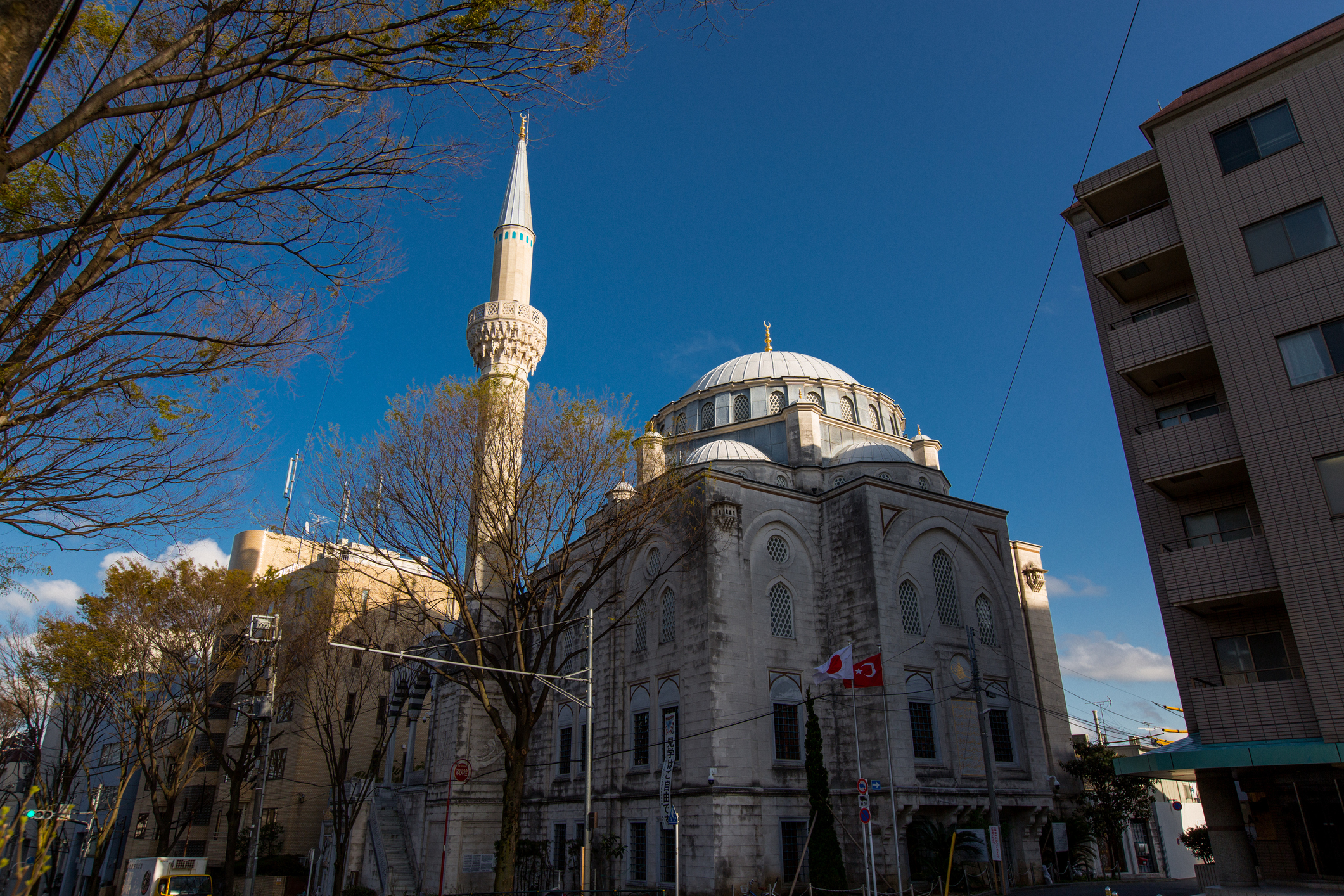
- Mosques — supporting construction in areas that previously lacked a place to worship
- Education — funding schools, expanding existing ones, sponsoring da'wah activities, or distributing copies of the Quran
- Planting trees — benefiting people and animals alike through shade, fruit, and use over time
- Legacy campaigns — raising funds in memory of a loved one or community figure, often used for wells, mosques, or other lasting projects that keep their legacy alive
- Supporting early-stage Muslim startups — backing apps like Tarteel or Quranly at their founding stage is a less obvious but genuine example. If the app goes on to help people read Quran or learn their deen for years, that ongoing benefit can flow back to you as one of its earliest supporters
What LaunchGood's data shows about sadaqah jariyah giving
Nearly $150 million has been donated to Sadaqah Jariyah projects on LaunchGood to date. Donors who give to Sadaqah Jariyah campaigns tend to be more engaged over time than those who only give to emergency relief: on average, they've donated at least four times over their lifetime on the platform, with an average donation exceeding $100.
Sadaqah Jariyah giving on LaunchGood typically takes a few forms:
- Legacy campaigns, created in memory of a loved one or community figure, often funding wells or mosques built in their name so their legacy continues through ongoing charity
- Mosque construction in underserved areas — campaigns like building the first proper masjid in a city or neighborhood that previously lacked one
- Education initiatives, from constructing schools to sponsoring scholarships and distributing Qurans
Frequently asked questions
What's the main difference between Zakat and Sadaqah?Zakat is obligatory, fixed at 2.5% of your zakatable wealth, and only due once specific conditions (Nisab and Hawl) are met. Sadaqah is voluntary, with no fixed amount or timing.
Is a water well Zakat-eligible, or is it sadaqah jariyah?It can be either, depending on how it's structured and verified. As Sadaqah Jariyah, a well almost always qualifies. As Zakat specifically, it depends on which category it's verified under — see our guide on who can receive Zakat for the full breakdown.
Does the reward for sadaqah jariyah really continue after death?Yes, per the hadith cited above — as long as the charity continues to benefit others, the reward continues, even after the donor has passed away.
Do all sadaqah jariyah projects last the same amount of time?No. A water well, for example, has a lifespan that varies by type; boreholes and other well types don't last the same number of years. It's worth asking the organization running a project how long it's expected to remain functional before you donate.
Can I give sadaqah jariyah online?Yes. On LaunchGood, you can search "Sadaqah Jariyah" directly to find qualifying projects like wells, mosques, and educational initiatives.
This guide provides general information based on scholarly consensus and should not replace individual religious guidance. If your situation is complex, consult a qualified scholar. And Allah knows best.
Passionate about all things marketing.